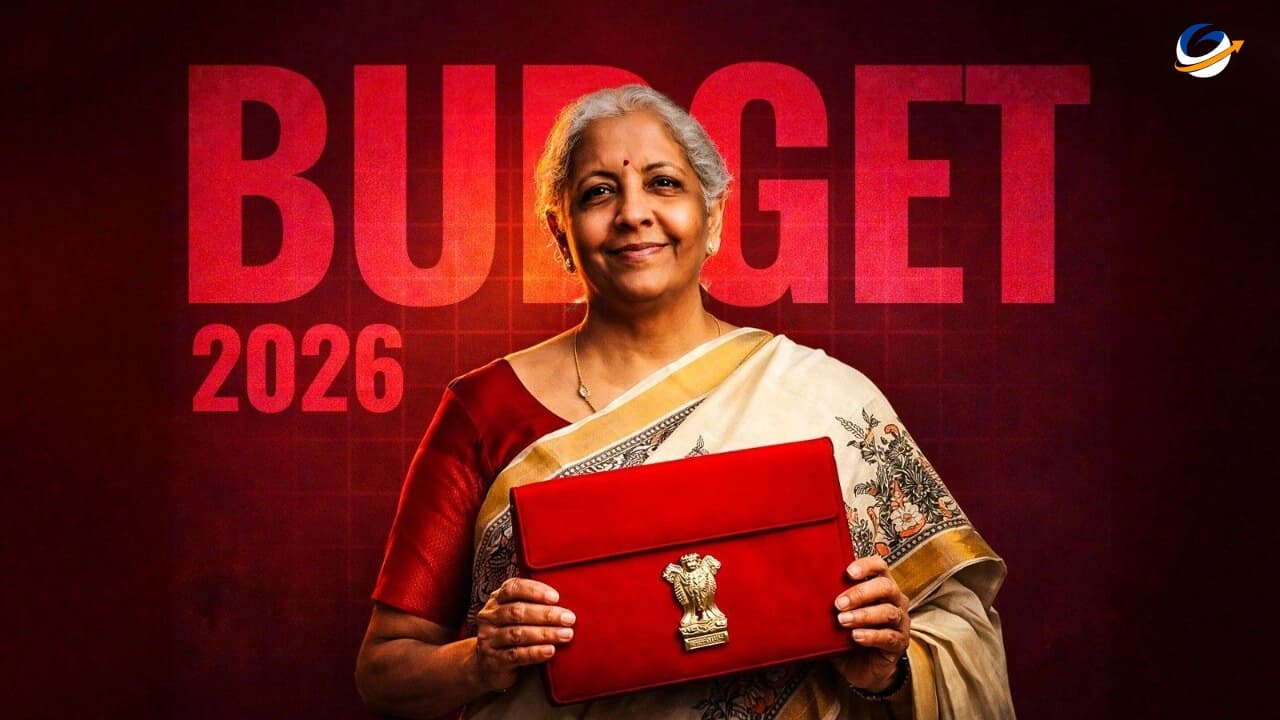
The Union Budget 2026 delivered the expected headline: a raise in the basic exemption limit under the new tax regime to ₹4 lakh, and a compression of the middle slabs that puts more disposable income in the hands of salaried professionals and small-business owners. Finance Minister Nirmala Sitharaman framed it as a "growth budget for Viksit Bharat," and in isolation the slab numbers look generous.
But the headline is only half the story. Buried in the fine print are higher surcharge thresholds, revised safe-harbour limits for transfer pricing, an expanded scope for the presumptive taxation scheme under Section 44AD and 44ADA, and — critically — a tightened audit-report deadline that compresses the preparation window for many mid-size businesses. Understanding all of these together is the only way to plan correctly for FY 2026-27.
Key takeaway: The average effective tax saving for a professional earning ₹12 lakh under the new regime is approximately ₹12,000–₹15,000 per year. For MSMEs reporting between ₹2 crore and ₹3 crore of turnover, the presumptive-limit expansion could save 40–60 hours of annual compliance effort.
The new slabs, at a glance
The revised slab structure under the new tax regime (Section 115BAC) effective from 1 April 2026:
| Income range | Old rate | New rate |
|---|---|---|
| Up to ₹4,00,000 | Nil | Nil |
| ₹4,00,001 – ₹8,00,000 | 5% | 5% |
| ₹8,00,001 – ₹12,00,000 | 10% | 10% |
| ₹12,00,001 – ₹16,00,000 | 15% | 15% |
| ₹16,00,001 – ₹20,00,000 | 20% | 20% |
| ₹20,00,001 – ₹24,00,000 | 25% | 20% ↓ |
| Above ₹24,00,000 | 30% | 30% |
The ₹20L–₹24L band is the most meaningful change for mid-level earners — a 5-percentage-point reduction. The standard deduction under the new regime is unchanged at ₹75,000 for salaried employees and ₹25,000 for family pensioners.
What it means for professionals
For independent professionals — chartered accountants, doctors, architects, consultants — the most consequential change is not the slab compression but the revised Section 44ADA presumptive limit. From 1 April 2026 the scheme is available to professionals with gross receipts up to ₹75 lakh (up from ₹50 lakh), provided that cash receipts do not exceed 5% of total gross receipts in the preceding year.
Under 44ADA, 50% of gross receipts is deemed profit — no books of account required, no audit, no expense vouchers. For a consultant earning ₹60 lakh a year, opting in means declaring ₹30 lakh as income. The audit exemption alone typically saves ₹30,000–₹80,000 in professional fees and 20+ hours of management time annually.
Watch out: If you opt into 44ADA and then claim deductions that pull your income below 50% of gross receipts, the Assessing Officer can treat it as a non-compliant return. Always confirm with your CA before opting in.
What it means for MSMEs
The Section 44AD limit — covering business income — has been raised from ₹2 crore to ₹3 crore for non-cash businesses, aligning it with the GST audit threshold. For businesses in this range the implications are significant:
- No requirement to maintain books of account under Section 44AA.
- No statutory audit under Section 44AB — saving ₹50,000–₹2 lakh depending on scale.
- 8% of turnover (6% for digital receipts) is deemed profit — a flat computation that avoids hundreds of purchase and expense reconciliations.
- ITR-4 can be filed instead of ITR-3, dramatically reducing the filing burden.
For manufacturing MSMEs, the Budget also extended the Section 115BAB concessional rate (15%) to new domestic companies commencing manufacturing before 31 March 2028. This is directly relevant to businesses in light engineering, food processing and textiles that were considering deferring new plant investments.
Presumptive taxation: higher limits, simpler books
Here is a consolidated view of how the presumptive limits now compare:
| Scheme | Old limit | New limit | Deemed profit |
|---|---|---|---|
| 44AD (Business) | ₹2 Cr | ₹3 Cr ↑ | 8% / 6% digital |
| 44ADA (Professional) | ₹50 L | ₹75 L ↑ | 50% |
| 44AE (Transport) | — | Unchanged | Per vehicle |
A word of caution: opting into the presumptive scheme is a five-year commitment under 44AD. You cannot exit and re-enter within a five-year block without triggering regular audit requirements for the missed years. Plan carefully before opting in, especially if your actual margins are significantly higher than the deemed rate.
The compliance timeline you can't miss
Budget 2026 also made permanent the change to the audit report deadline — effective from AY 2026-27, the due date for filing the tax audit report under Section 44AB is now 31 August, a full month earlier than before.
Key dates for FY 2026-27:
- 31 August 2026 — Tax audit report (Form 3CA/3CB + 3CD) must be filed.
- 30 September 2026 — ITR filing deadline for companies and those requiring audit.
- 15 September 2026 — Advance tax second instalment (45% cumulative).
- 15 December 2026 — Advance tax third instalment (75% cumulative).
- 15 March 2027 — Advance tax final instalment (100%).
The 31 August audit deadline is the most operationally disruptive change. Businesses that close their books in late July or August will need to accelerate their month-end close significantly. Auditors are already indicating that peak-season capacity will be tighter than ever — start your engagement by May 2026.
What to do now
Rather than waiting until the year closes, take these steps immediately:
- Model your FY 2026-27 tax liability under both regimes. The new slabs make the new regime more attractive for most salaried professionals, but large HRA claims or home loan interest may still favour the old regime. Run the numbers.
- Assess presumptive eligibility. Calculate whether opting into 44AD or 44ADA saves more in compliance costs than you would gain from claiming actual expenses. Don't opt in without a five-year projection.
- Lock in your audit appointment now. With the 31 August deadline, auditors' calendars fill faster. Engage your CA now, agree on a book-closure date, and build a data-delivery schedule that ensures the report can be reviewed in time.
- Review advance tax instalments. If the new slabs reduce your estimated annual liability, your March 2026 instalment may have been over-paid and you could be entitled to a refund for AY 2025-26.
- Consider the 115BAB extension for manufacturing investments. The two-year window to 31 March 2028 is clear. If you have been deferring a plant expansion, run the project economics with the 15% corporate tax rate as the baseline.
Tax planning is most effective when it starts at the beginning of the financial year, not at filing time. The businesses that will feel the most pain are the ones that wait until August to engage their advisors.